Sell-side
What an Aesthetics Clinic Is Worth in 2026, and the Multiples Buyers Pay
Jess Cook Jess CookBusiness AgentJess works with the owners of home care agencies and aesthetic clinics who are starting to think about selling, and she is usually the first person an owner speaks to at Stone & Co. She has spent the past two years in healthcare business sales, first with one of the UK’s largest brokers, and joined Stone & Co to work more closely with a smaller number of owners than a large firm allows.14 October 2026Updated 23 October 20268 min read
Clinics sell for two to six and a half times adjusted earnings, and where yours lands depends on three questions buyers ask before they talk about price.
Key highlights
- UK aesthetics clinics sell for roughly two to six and a half times adjusted earnings, and the range is wide because the things that decide it, practitioner dependency, repeat revenue and governance, do not appear in the accounts.
- In an owner-run clinic a buyer deducts the cost of a practitioner to replace the owner before applying any multiple, and that single adjustment often halves the profit figure an owner has in mind.
- Non-medical practitioners now make up a quarter of the 19,701 toxin practitioners in the UK, up from 12% in 2023, and buyers are pricing clinics for the licensing regime that is coming.
- Every professional regulator now requires a face-to-face assessment before toxin is prescribed, and a clinic that relies on a remote prescriber is one of the first problems a buyer looks for.
- Buyers in 2026 include newly formed clinic groups and investors buying established chains, and they all ask the same questions before they discuss a price.
Our figures are updated regularly. Last updated October 2026.
How much is your clinic worth? The published answer is between two and six and a half times its adjusted earnings, which is the range we use and one other published guidance broadly agrees with, and it is wide enough to be almost no help on its own, because a clinic making £150,000 a year is worth £300,000 at one end of it and nearly £1m at the other.
Where a buyer places you in that range is decided by three questions. The first is whether the earnings figure is right, which in most owner-run clinics it is not, because the owner's own work as a practitioner has not been costed. The second is how much of the revenue would still arrive if the founder stopped treating. The third is whether the clinic's governance would satisfy a clinical adviser reading the files. An owner who has answered all three before going to market usually ends up with a figure they can sell on, and an owner who has not tends to find out from the first offer.
| Profile of the clinic | Indicative range |
|---|---|
| Team-led, evidenced governance, strong repeat revenue | About 5 to 6.5 times adjusted earnings |
| Good clinic with some practitioner dependency | About 3.5 to 5 times |
| Practitioner-led, revenue follows the founder | About 2 to 3.5 times |
A buyer values the profit your clinic would make with somebody else doing your job, and in most owner-run clinics that is a smaller number.
01—The Earnings
Start With the Right Earnings Figure
Most valuation conversations about an aesthetics clinic start in the same place: the owner takes the profit in the accounts, or the profit plus their own drawings, and multiplies it by a figure they have read somewhere. In a clinic where the owner is also the main practitioner, that figure flatters the business.
A buyer values the profit the clinic would make with somebody else doing your job. If you deliver most of the treatments, the business would need to pay a practitioner to replace you, and that salary comes off the profit before any multiple is applied. An owner-run clinic showing £90,000 of profit after a modest salary may be showing £40,000 once a realistic cost for the treating practitioner is deducted. At four times, £90,000 gives £360,000 and £40,000 gives £160,000, which is why so many single-practitioner clinics are worth less than their owners have been told.
The other adjustments are more familiar to anyone who has sold a business. Rent is set at a market rate if you own the premises personally, one-off costs are added back, personal expenses are removed, and a fair cost is included for managing the clinic where the owner does that as well as treating. The figure that survives all of that is the one the multiple is applied to, and equipment such as lasers and devices is usually valued separately.
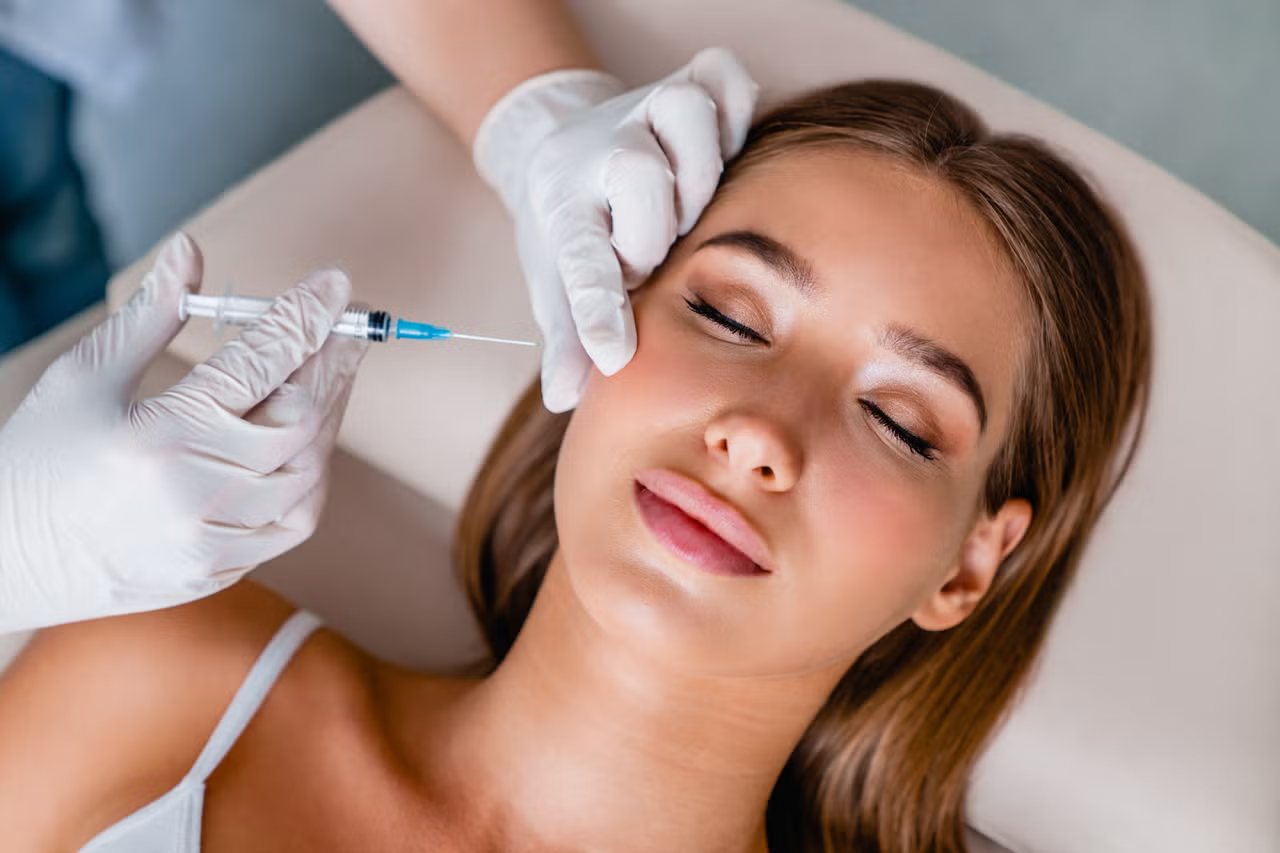
A buyer reads your consent forms, prescriber arrangements and complaints log as evidence of what they would be taking on.
02—The Three Questions
Three Questions That Set the Multiple
Our published ranges put team-led clinics with evidenced governance and strong repeat revenue at about five to six and a half times, clinics with some practitioner dependency at three and a half to five, and clinics where the revenue follows the founder at two to three and a half. Verilo, which also brokers clinics, publishes a range of three to six times for clinics turning over between £250,000 and £5m, with the larger clinics towards the top, so the two agree on how the number is reached even where the edges differ.
Practitioner dependency is the question buyers spend longest on. They want to know what share of appointments are booked with a named practitioner, and how many of those are with the owner. If most patients book you and would follow you, the buyer is paying for a following, and they price the risk that it leaves when you do. A clinic where two or more practitioners each run a full diary, where patients rebook with whoever is available, and where the founder has been stepping back for a year or more sits in a different band entirely.
Repeat revenue is what buyers count next. They ask how many of last year's patients came back, how many are on a maintenance cycle, and how much revenue arrived without a marketing cost attached. Toxin and skin programmes with three or four visits a year give a buyer income they can forecast with some confidence, while one-off high-ticket procedures are income the new owner will have to find again, so they are valued lower.
Governance counts for more in 2026 than it did. The UCL team that mapped the UK toxin market this year counted 19,701 practitioners across 5,589 clinics, with non-medical practitioners making up a quarter of them, up from 12% in 2023. The government's plans for licensing in England place Botox and fillers in a middle tier, where practitioners without a healthcare registration would need a licence and supervision by a named regulated professional, and ministers have said licensing will arrive within this Parliament without yet setting a date. Since June 2025 every professional regulator has required a face-to-face assessment before toxin is prescribed, so a clinic that relies on a remote prescriber is now carrying a compliance problem. Insurance data adds weight to all of this: Hamilton Fraser recorded aesthetics claims rising 12.1% between 2024 and 2025, along with more complaints that look as though they were written with AI tools, and it says thorough consent and records put the defence of a claim in a much stronger position. A buyer reads your consent forms, prescriber arrangements and complaints log as evidence of what they would be taking on.
03—The Buyers
Who Is Buying Aesthetics Clinics in 2026
Buyers are more visible than they were two years ago. Skingevity, a clinic group backed by private investors, launched in February with three clinics in Marylebone, Sutton Coldfield and Oxford and a stated plan to add more. In June, Chariot Capital completed its purchase of Laser Clinics UK, a chain of more than forty clinics. Alongside those sit larger independents adding a clinic in a town they want to be in, dental and private healthcare groups moving into aesthetics, and investor-backed groups that pay the strongest prices where the evidence holds up and walk away where it does not.
All of them ask the same three questions, and they ask before they discuss price, so an owner who can show the answers over two or three years of records is negotiating from a much stronger position than one who has to assemble them while the buyer's accountants and clinical advisers are going through the business.
Our own data covers the CQC-registered aesthetic clinics in England, around 620 locations and the 464 companies behind them, alongside the much larger number of clinics that sit outside registration, and it shows us which groups are active in which areas and how large the clinics they buy tend to be. Most owners are working from a much shorter list, often just the group that wrote to them last spring.
04—Your Number
How to Work Out Your Own Clinic's Number
Start by recalculating the profit with the cost of a replacement practitioner in it, using a real salary for the work you actually do. Then pull two figures from your booking system: the share of appointments booked with you personally, and the share of last year's patients who came back. Between them those two numbers place a clinic in our ranges more accurately than anything else. After that, read your own consent and complaints files the way a buyer's clinical adviser would, and fix what you find while it costs nothing.
For a first view, the valuation calculator asks about the owner's own clinical role directly, which most online tools leave out.
A clinic is worth what a buyer will pay for next year's revenue without you in the treatment room, and owners who work that number out early have time to change it before anyone else looks. If you are starting to wonder what yours might be worth, whether you plan to sell next year or in five, we offer every owner a free full valuation and are always glad to talk it through.
Jess Cook
Business Agent. Jess works with the owners of home care agencies and aesthetic clinics who are starting to think about selling, and she is usually the first person an owner speaks to at Stone & Co. She has spent the past two years in healthcare business sales, first with one of the UK’s largest brokers, and joined Stone & Co to work more closely with a smaller number of owners than a large firm allows. Before that she spent three years in investor services at Starling, and she studied at the University of Warwick. She writes our articles on the home care and aesthetics markets.
Related reading
6 October 2026
Repeat Treatments Are Worth More Than One-Off Procedures When You Sell Your Clinic
An aesthetics clinic earning £300,000 from patients who return every few months can be worth more than one earning £400,000 from one-off procedures. Here is why.
9 October 2026
Weight-Loss Injections Are Filling Aesthetics Diaries, and Buyers Will Only Pay for Some of It
Weight-loss injections are a second business inside many aesthetics clinics. A buyer pays for the part that would survive an ASA complaint and a CQC inspection.
3 August 2026
Licensing Will Split the Aesthetics Market, and Buyers Are Already Choosing Sides
No licensing scheme is in force yet, and buyers are already sorting clinics as though it were. Here is what that does to your valuation, and your window.
Thinking about your own exit?
If this raised questions about your own business, the valuation calculator takes a few minutes, and a full valuation from a partner is free.